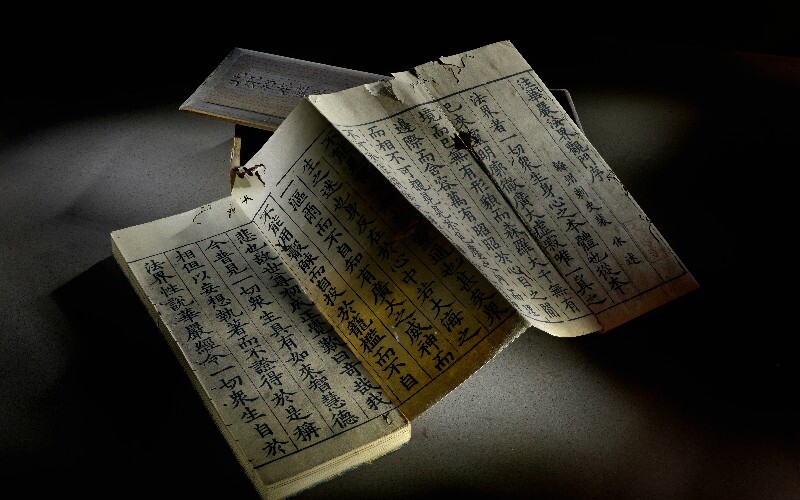

Chinese Lessons
We have prepared a collection of the most frequently used daily expressions and sentences to help you, presented in video and tabular form. We hope you will be successful in and enjoy communicating with the Chinese people you meet using some of the Chinese you can learn here.
Watch more videos about Chinese culture stories.
Learn Chinese by Following our videos.
- Learning Chinese 01: Address People
- Learning Chinese 02: Everyday Language
- Learning Chinese 03: Shopping
- Learning Chinese 04: Ask the Direction
- Learning Chinese 05: Ask the Direction Ⅱ
- Learning Chinese 06: Restaurant
- Learning Chinese 07: Numbers
- Learning Chinese 08: Numbers Ⅱ
- Learning Chinese 09: Chinese Currency
Chinese Pronunciation
Pinyin is the notation used for writing Mandarin (standard Chinese) pronunciation. (Pronunciation is not evident from looking at Chinese characters.) It serves the same purpose as the international phonetic symbols used in dictionaries to show how English words are pronounced.
Pinyin is a very useful tool to learn for getting around China. Chinese people view their characters as the true Chinese written language, but pinyin can be seen on many maps, road signs, and other notices.
Pinyin is much easier to learn, use and remember than characters, particularly if tones are ignored. Pinyin can be thoroughly learnt in a few hours, but a working knowledge of Chinese characters takes months, if not years of hard study.
See Chinese hip words to know more interesting Chinese words!

Chinese Phrasebook
- Some useful words and sentences people usually to use in their trip, that can be pronounced by the phonetic English. more Chinese Phrasebook
- Listen to the Chinese Phrase Book in MP3 Format
- Download the Chinese Phrase Book
Chinese Calligraphy Experiences
Chinese Ancient Cities
By joining our ancient city tours, visitors can add Chinese calligraphy classes to the itinerary at very favorable prices. See our best Beijing tours and Xi'an tours to discover Chinese history and culture.
Collections in Top Museums
Most comprehensive museums in China have calligraphy collections. See Top Museums around China.
Cultural Relics and Historic Places
For travelers who are interested in the history, evolution and cultural relics of Chinese calligraphy, Museum of Chinese Characters in Anyang City, Henan Province is a good choice. The Stele Forest Museum in Xi'an City houses many works of noted ancient calligraphers as well as precious stone sculptures.





 Rated 5 out of 5 | 98.8% Excellence